
















- From $22/hour
- Around 4 hours per day
- Approximately 20 hours per week
- Weekly billing
- Suitable for smaller feature development
- Bug fixing and maintenance
- Code reviews
- API integrations
- Technical support


Innovate. Integrate. Inspire.
We combine software engineering, AI capabilities, cloud infrastructure and business workflow expertise to build applications that solve real operational problems.

500+
Projects Completed

13+
Years of Experience

350+
Happy Client
85+
Specialist


5 star Rating Reviews


18,875 Working Hours $500K+ Earned
Talent operations managed by :
Manoj Bhuva — Founder & CEO, Kanhasoft
Kanhasoft has been building custom web applications, SaaS products, CRM and ERP platforms, mobile applications and data-driven software since 2012.
Our hiring process is designed to match clients with developers based on the actual architecture, technologies, seniority and business requirements of the project rather than simply assigning the next available resource.
Connect on LinkedIn
Let’s connect
Finding a Full Stack Developer Is Easy. Finding the Right One Is Not.
A developer who lists React, Node.js and PostgreSQL on a profile is not automatically a capable full stack engineer.
A real full stack developer needs to understand how decisions in one application layer affect the others.
For example, a frontend decision can influence API design. API architecture can affect database performance. Database structure can influence reporting speed. Authentication affects both frontend and backend security.
That is why businesses often struggle when hiring developers who know several technologies individually but cannot confidently own an application from interface to deployment.
Kanhasoft helps businesses hire full stack developers who can contribute across the complete application lifecycle while still understanding when specialist expertise is required.
Why Hire Full Stack Developers from Kanhasoft?
- Experience across frontend, backend, database and cloud layers
- React, Next.js, Angular and Vue.js frontend expertise
- Node.js and Python full stack development capabilities
- Django, FastAPI and Laravel backend experience
- PostgreSQL, MySQL and MongoDB database development
- REST and GraphQL API architecture
- SaaS and multi-tenant application experience
- CRM and ERP application development experience
- Authentication and role-based access implementation
- Stripe and other payment gateway integrations
- Third-party API and enterprise system integrations
- AWS, Azure and Google Cloud deployment experience
- Docker and CI/CD workflow knowledge
- AI and LLM integration capabilities
- Automated and manual testing practices
- Git-based code review workflows
- AI-assisted development using modern coding tools
- Direct developer communication
- Flexible timezone overlap
- Resource scaling as project requirements change
What our clients say
Our engineering work supported RoomPriceGenie’s product development as the company grew to approximately 1,250 hospitality customers and achieved a reported 75% NPS.

Kanhasoft delivered the first complete MVP version in less than four weeks while working from specifications that still required practical interpretation during development.

The client highlighted Kanhasoft’s responsiveness, communication and ability to translate changing requirements into practical software and automation workflows.

Kanhasoft’s custom ERP work helped Secro automate complex workflows and improve operational efficiency by more than 40%, according to the client’s published feedback.

Portfolio
Full stack development is not simply about using several programming languages. It is about connecting user experience, business logic, data, integrations and infrastructure into one reliable product. Here are examples of full stack applications developed by Kanhasoft.
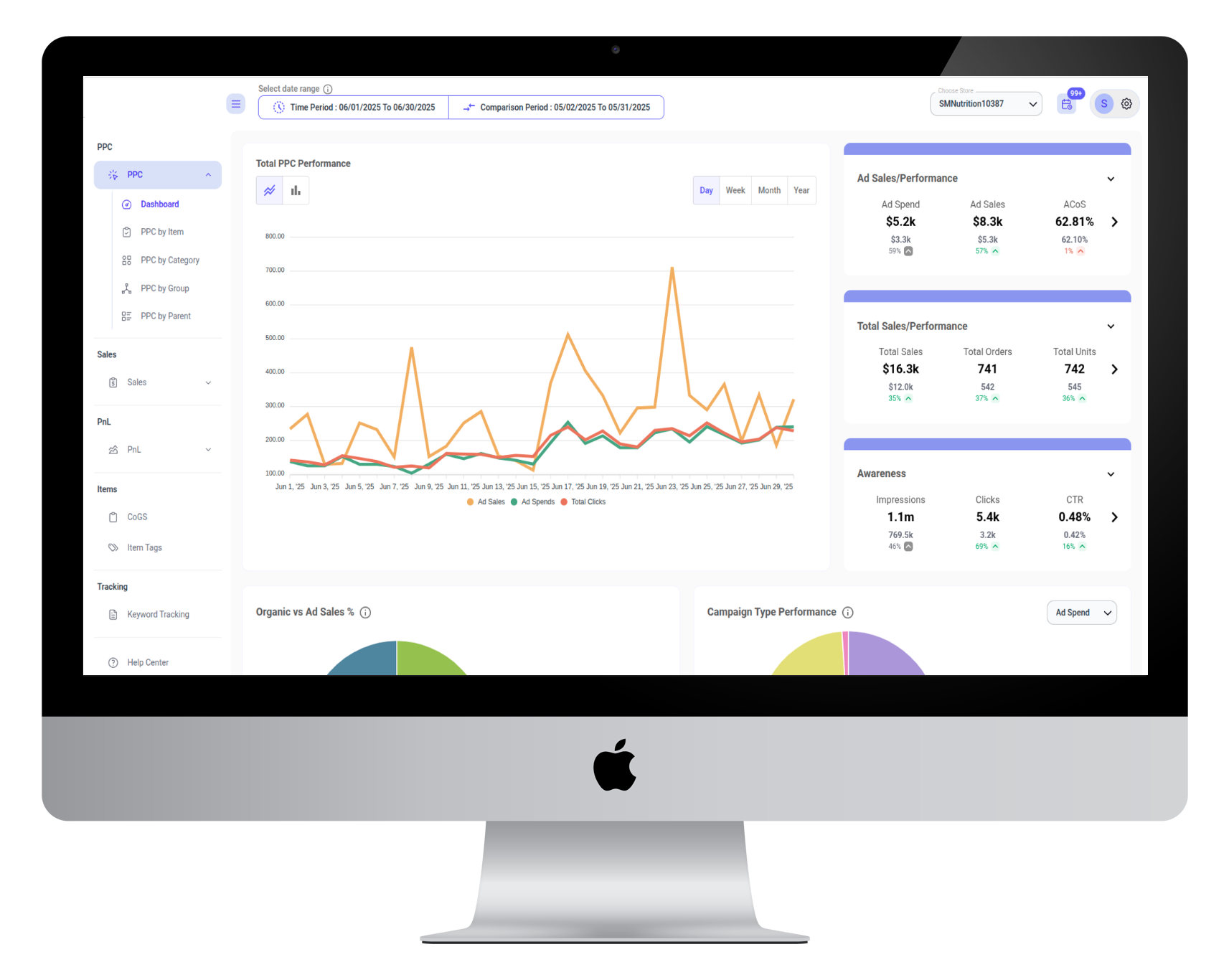
Custom Analytics Platform for Walmart Sellers
- React.js
- Node.js
- PostgreSQL
- Python
- AWS
A real-time SaaS analytics platform designed for Walmart marketplace sellers. The solution brings sales, PPC, profitability, keyword rankings and multi-store data into centralized dashboards.
The system combines frontend dashboards, backend APIs, database processing, Walmart integrations, Python-based data processing and AWS infrastructure.
Project Type: SaaS Analytics Platform
Country: USA
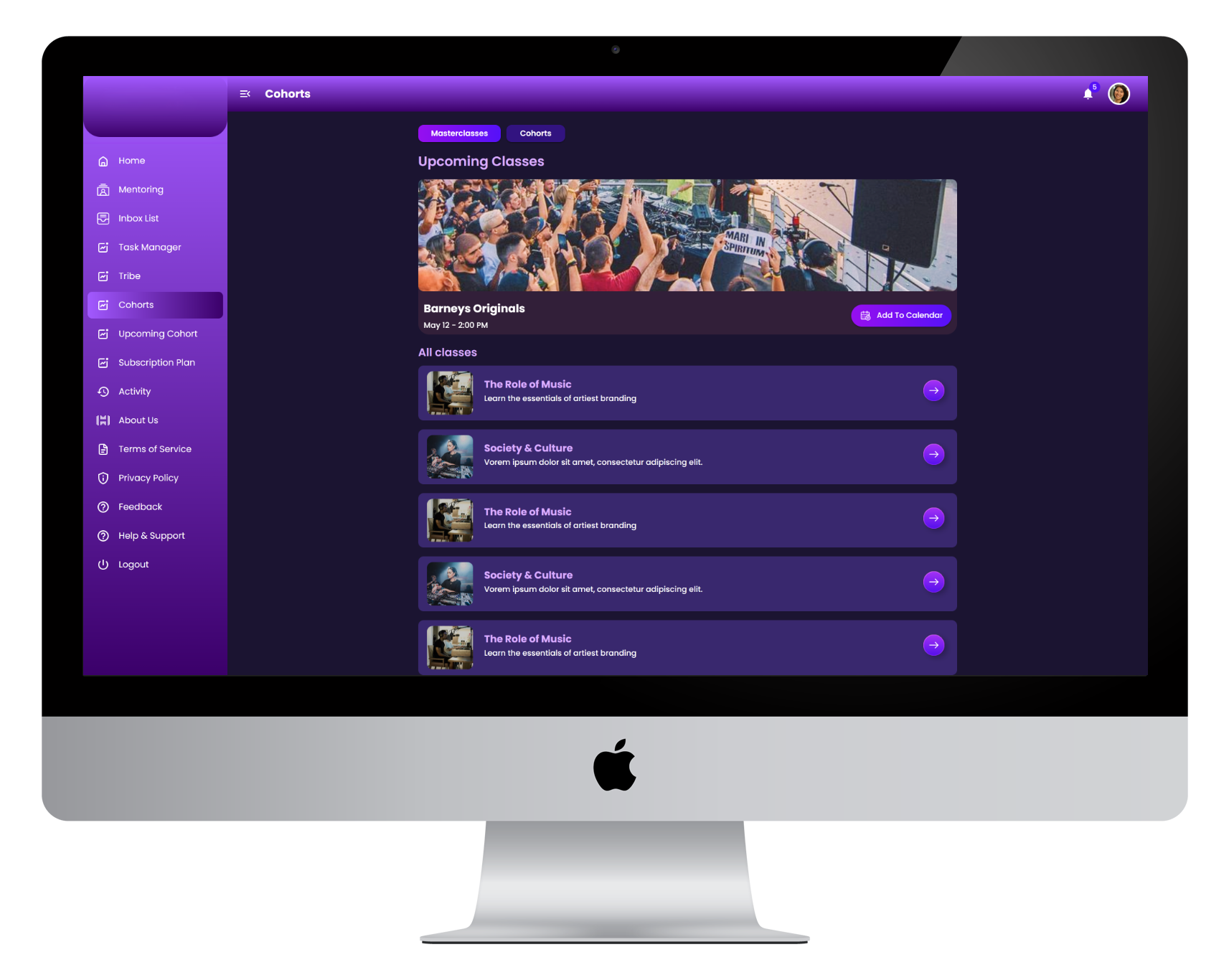
AI-Powered Musician Growth & Community Platform
- React.js
- Next.js
- Express.js
- MongoDB
- Stripe
- OpenAI
- Calendly
A full stack platform developed for emerging musicians to manage career-growth strategies, participate in communities, access mentorship and use AI-assisted recommendations.
The application combines subscription management, community functionality, AI integration, scheduling, analytics and scalable web architecture.
Project Type: AI-Powered SaaS & Community Platform
Country: UK
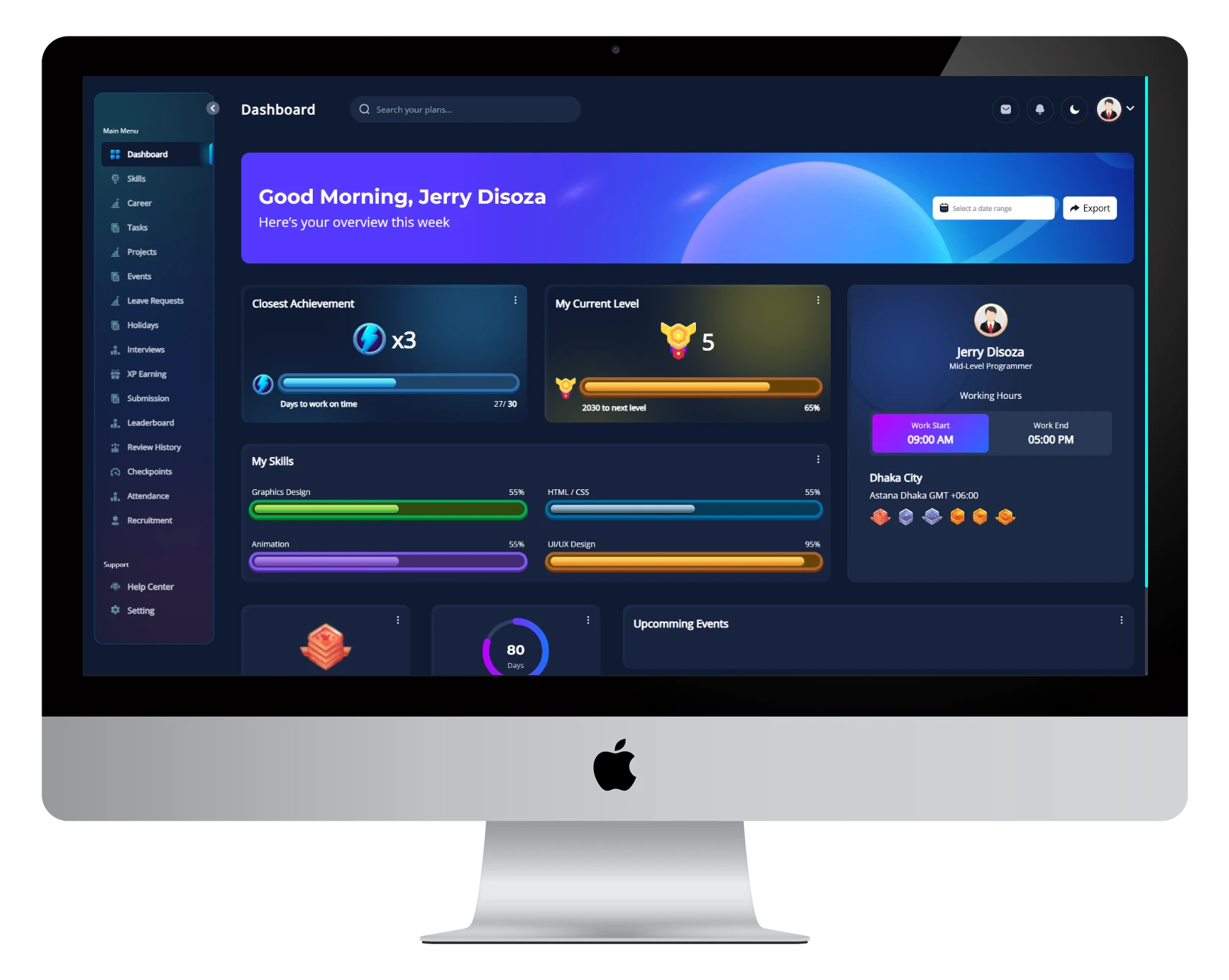
Custom Human Resource Management System
- React.js
- Python
- Django
- PostgreSQL
- REST APIs
A SaaS-based HR management platform covering employee onboarding, attendance, payroll, recruitment, performance management and career development.
The system includes multi-role workflows, employee self-service functionality, reporting and AI-assisted recruitment capabilities.
Project Type: SaaS HRMS
Country: Europe
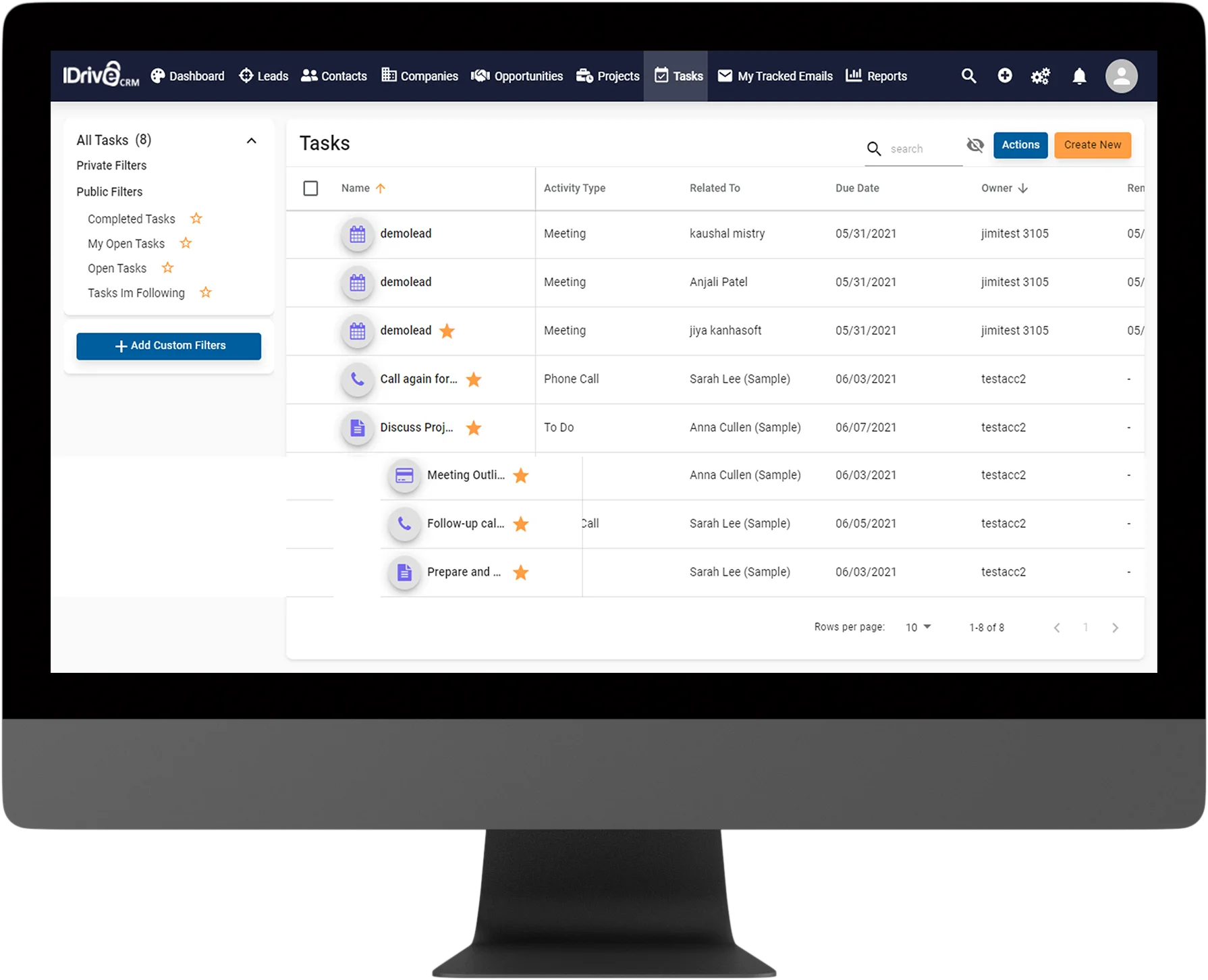
Custom Sales & Project Management CRM
- React.js
- Node.js
- Python
- Django
- PostgreSQL
- GraphQL
A cross-functional CRM platform built to centralize leads, opportunities, projects, communications, tasks and customer information.
Integrations include Gmail, Google Calendar, Google Drive, Dropbox and marketing tools.
Project Type: CRM & Business Operations Platform
Country: USA
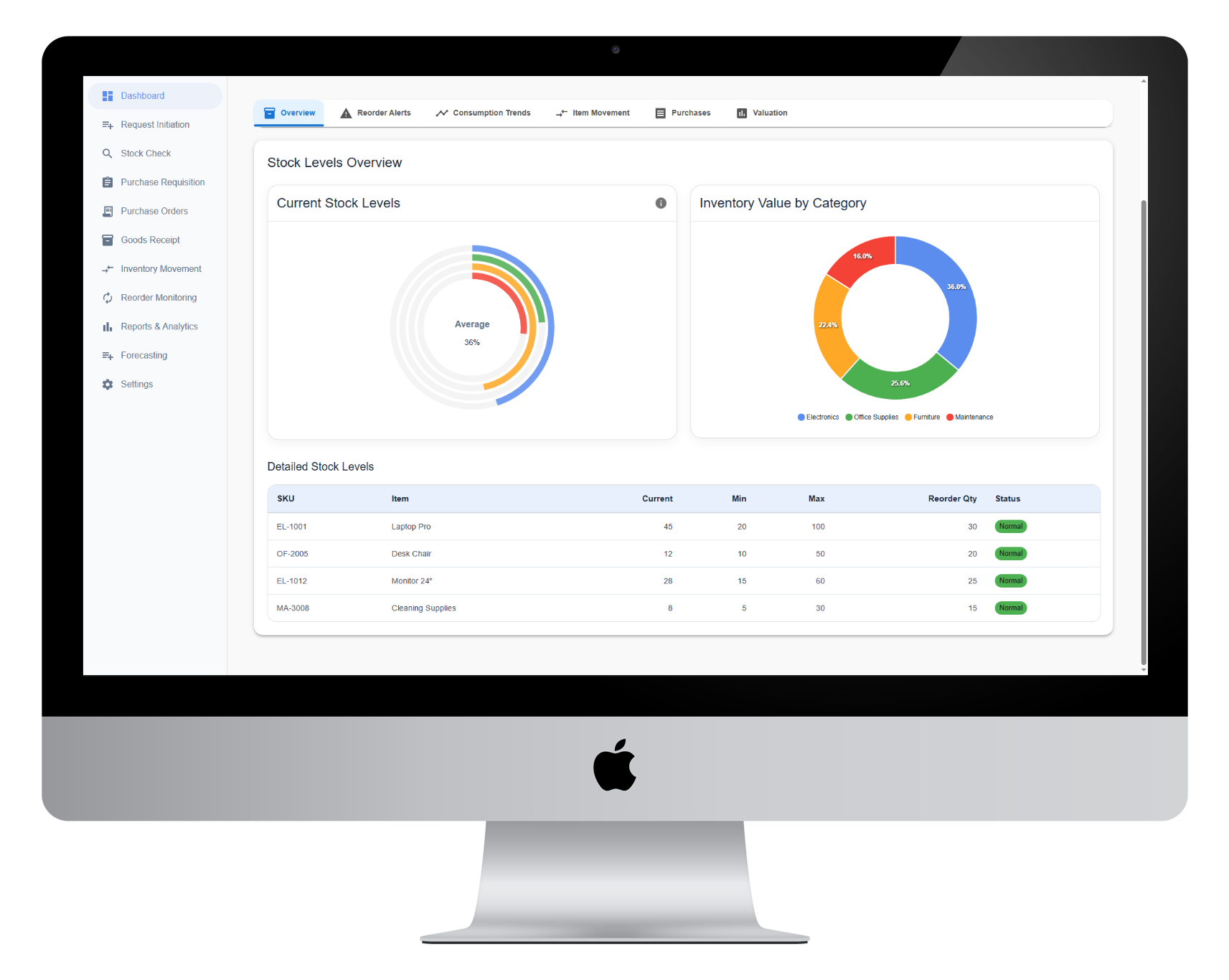
AI-Powered Production & Logistics ERP
- React.js
- Node.js
- PostgreSQL
- REST APIs
- AWS
- Docker
A custom ERP platform bringing production, inventory, procurement, sales and logistics workflows into one system.
The platform supports production planning, BOM-related workflows, inventory tracking, procurement management and operational reporting.
Project Type: Custom ERP
Country: USA
What Businesses Have Built With our Full Stack Developers
RoomPriceGenie (Hospitality SaaS)
A multi-layer SaaS platform combining customer-facing interfaces, business logic, pricing intelligence, subscription workflows and cloud infrastructure.
Secro (Enterprise ERP)
Custom operational workflows connecting documents, users, approvals, reporting and business processes in one system.
Walmart Seller Analytics (E-Commerce Analytics)
Real-time seller dashboards combining marketplace APIs, databases, backend processing and data visualization.
AI-Powered Musician Growth Platform (AI-Powered Community Platform)
Web application combining user communities, subscriptions, AI recommendations, mentoring and engagement tools.
Custom HRMS (HR Management SaaS)
A multi-role platform integrating recruitment, employee administration, payroll, attendance and performance workflows.
Benefits of Hiring Full Stack Developers for Your Development Team

Flexible Engagement Models
Hire one developer, add several engineers to your existing team or build a dedicated development unit. Resources can be aligned with your actual workload rather than a fixed internal hiring structure.

End-to-End Ownership
A capable full stack developer can understand a feature from user interface to database. This can reduce coordination overhead on projects where separating every layer between different developers is unnecessary.

Faster Product Iteration
When one engineer understands both frontend and backend behavior, many feature changes can move from requirement to deployment without repeated cross-team handoffs.

Easier Team Scaling
Add developers when your roadmap expands and adjust the team as requirements change.

Direct Communication
Communicate directly with the developers working on your product through Slack, Zoom, Google Meet, Asana or the tools your team already uses.

Transparent Development
Hourly engagements can include activity tracking, timesheets and regular progress reporting.

Broader Technical Perspective
Full stack engineers can evaluate whether a problem belongs in the UI, API, database or infrastructure layer rather than treating every issue as a frontend or backend problem.

Better Fit for MVPs and Product Teams
For many MVPs, SaaS platforms and internal business applications, one experienced full stack developer can take ownership of a larger portion of the product.
Let’s Build Your Full Stack Development Team
01 — Share Your Requirements
Tell us what you are building, your existing technology stack, desired experience level, working hours and expected start date.
We also review whether you actually need a full stack developer or whether your requirement would be better served by a specialist.
02 — Review & Interview Developers
We shortlist developers whose experience fits your application architecture and business domain.
You can review profiles, conduct your own interviews and assign a practical technical assessment if required.

03 — Start & Scale
Once selected, the developer joins your communication and project-management workflow.
You continue managing priorities while Kanhasoft handles employment, infrastructure and resource continuity.
As development needs change, the team can be scaled accordingly.
Our Array of Technology Stacks
Empowering Your Vision with Our Various Technology Stacks!
-
 React.js
 -
 Next.js
 -
 Angular
 -
 Vue.js
 -
 TypeScript
 -
 JavaScript
 -
 HTML5
HTML5 -
 CSS3
CSS3 -
 Tailwind CSS
 -
 Material UI
 -
 Bootstrap
-
 Node.js
 -
 Express.js
 -
 NestJS
 -
 Python
 -
 Django
 -
 FastAPI
 -
 Flask
Flask -
 PHP
PHP -
 Laravel
 -
 .NET
.NET
-
 PostgreSQL
 -
 MySQL
MySQL -
 MongoDB
 -
 Redis
Redis -
 DynamoDB
 -
 Microsoft SQL Server
 -
 Firebase
-
 GraphQL
 -
 WebSockets
 -
 OpenAPI / Swagger
-
 Amazon Web Services
 -
 Google Cloud
 -
 Microsoft Azure
 -
 Vercel
 -
 DigitalOcean
-
 Docker
 -
 GitHub Actions
 -
 GitLab CI
 -
 Kubernetes
-
 OAuth 2.0
 -
 JWT
JWT -
 Auth0
Auth0 -
Firebase Authentication
-
 OpenAI
 -
 Gemini
 -
 Claude
 -
 Hugging Face
 -
 LangChain
 -
 LlamaIndex
 -
 Vector Databases
 -
 RAG Integrations
-
 Jest
Jest -
 Pytest
 -
 Playwright
 -
 Cypress
 -
 Postman
 -
 Unit Testing
-
 GitHub
 -
GitLab
-
 Bitbucket
 -
 Asana
Asana -
 Jira
Jira -
 Slack
Slack -
 Microsoft Teams
 -
 Time Doctor
Our Upwork Track Record
-

 Ahmedabad, India (UTC+5:30)
 -
 100% Job SuccessTOP RATED
-


Web and Mobile app development

Web scraping and data intelligence service

Custom Business and workflow solutions

IT Staff Augmentation

Amazon and Walmart seller apps

AI/ML Integration and Development
-
 Total Earned
$500K+
-
 Total Jobs
90
-
 Total Hours
18,875
-
 Member Since
Apr 27, 2013
Hire Dedicated Full Stack Developers — Transparent Pricing
Choose the engagement model that matches your workload, product stage and budget.
Part Time
Full Time — Recommended
- From $3,200/month
- Up to 160 hours per month
- Dedicated resource
- Monthly billing
- Suitable for ongoing development
- Product feature sprints
- SaaS development
- CRM and ERP projects
- Long-term product teams
- Direct developer communication
Fixed-Price Project
- From $8,000/project
- Scope agreed before development
- Milestone-based billing
- Suitable for well-defined MVPs
- Feature development
- Application modernization
- Proof-of-concept development
- Defined integrations
Final pricing depends on developer seniority, technology stack, working-hour requirements, project complexity and engagement duration.
Our Work Methodology

01
Discover
- We begin by understanding the application, current architecture, business objective, timeline and resource gap.
- We identify whether you need one developer, several developers or a blended team containing specialists.

02
Define
- We define the preferred technical profile, experience level, working-hour overlap, responsibilities and engagement structure.

03
Curate & Shortlist
- We shortlist developers based on relevant frontend, backend, database and project experience rather than relying only on years of experience.

04
Interview & Evaluate
- You interview shortlisted candidates directly.
- Technical interviews, coding exercises or architecture discussions can be arranged where appropriate.

05
Onboard & Integrate
- Once selected, the developer joins your development workflow, repositories and communication tools.
- Responsibilities, priorities and reporting expectations are aligned during onboarding.

06
Optimize & Scale
- Review performance and workload as the project evolves.
- You can add resources, change skill requirements or introduce specialists when the application becomes more complex.
Technical Expertise of Our Full Stack Developers
Frontend Application Development
- Our developers build responsive interfaces, reusable component systems, dashboards, customer portals and complex workflow screens using React, Next.js, Angular and Vue.js.
Backend Architecture
- We develop APIs and backend services using Node.js, NestJS, Express, Python, Django, FastAPI, PHP/Laravel and related frameworks.
Database Engineering
- Full stack engineers work with relational and NoSQL databases including PostgreSQL, MySQL and MongoDB.
- This includes schema planning, query optimization, migrations, indexing and data-access architecture.
API Development & Integration
- Our developers build REST and GraphQL APIs and integrate applications with payment providers, CRM systems, communication platforms, marketplaces and other third-party services.
Authentication & Permissions
- Develop role-based applications using authentication, authorization, user permissions, JWT, OAuth and secure session-management approaches.
Cloud Deployment
- Deploy and maintain web applications on AWS, Azure, Google Cloud, Vercel and related platforms.
DevOps & CI/CD
- Support Docker-based development environments, Git workflows and automated deployment pipelines.
AI Integration
- Integrate AI APIs, LLM-powered assistants, intelligent search, RAG systems, document processing, recommendations and workflow automation into existing applications.
Testing
- Implement unit, integration, API and end-to-end testing according to project requirements.
Which Full Stack Should You Hire For?
There is no universally “best” full stack. The right stack depends on your product, existing technology, data model, team skills, scalability requirements and long-term maintenance strategy.
| Stack | Core Technologies | Often Suitable For | Consider Another Option When |
|---|---|---|---|
| MERN | MongoDB, Express, React, Node.js | SaaS products, MVPs, dashboards, real-time applications | Your application relies heavily on complex relational data |
| MEAN | MongoDB, Express, Angular, Node.js | Structured enterprise applications and Angular-based teams | You want a lighter frontend ecosystem for a small MVP |
| PERN | PostgreSQL, Express, React, Node.js | SaaS and business applications requiring relational data | Your data model is primarily flexible documents |
| Next.js Full Stack | Next.js, React, API/server capabilities, PostgreSQL/Prisma | SEO-focused products, SaaS, marketplaces and portals | You need a completely independent backend architecture |
| Django + React | Python/Django, React, PostgreSQL | Data-heavy applications, AI-enabled products and complex business workflows | Your project is predominantly JavaScript and your team wants one language throughout |
| Laravel + React/Vue | PHP/Laravel with React or Vue | Business applications, portals, CRM and established PHP systems | Your existing engineering environment is Python or Node.js centered |
| .NET + React/Angular | ASP.NET Core with React or Angular | Enterprise systems and Microsoft-centric organizations | Your infrastructure and team have no Microsoft ecosystem requirements |
Need help deciding?
We can review your current product architecture and recommend an appropriate stack before discussing resource allocation.
Discuss Your Technology StackOffshore Full Stack Developer vs US Full-Time Hire vs Freelancer
Each model can work. The better choice depends on whether your priority is internal ownership, flexibility, speed, continuity or access to additional engineering capacity.
| Dimension |
|---|
| Cost structure |
| Typical commitment |
| Recruitment |
| Replacement |
| Infrastructure |
| Communication |
| Scaling |
| Project management |
| NDA / IP |
| Best suited for |
| US Full-Time Employee |
|---|
| Salary plus employment overhead |
| Long-term employment |
| Internal recruiting process |
| Requires another hiring cycle |
| Usually employer provided |
| Internal team |
| New recruitment for each role |
| Internal |
| Employment agreement |
| Permanent strategic internal roles |
| Kanhasoft Dedicated Developer |
|---|
| Agreed hourly/monthly rate |
| Flexible engagement |
| Shortlisted developers |
| Replacement support available |
| Managed as part of engagement |
| Direct developer communication |
| Add resources based on requirement |
| Client-led or supported |
| Contractual NDA/IP terms |
| Flexible long-term development capacity |
| Independent Freelancer |
|---|
| Hourly or project rate |
| Depends on freelancer |
| Client searches and evaluates |
| Search begins again |
| Depends on arrangement |
| Direct communication |
| Find additional freelancers |
| Usually client-led |
| Depends on individual agreement |
| Short, specialized assignments |
For cost context, US software developers had a median annual wage of about $135,980 in May 2025, before considering employer overhead. Freelance marketplace rates vary significantly by location, experience and specialization.
The lowest hourly rate is therefore not automatically the lowest total project cost. Skill fit, productivity, continuity and rework can matter more.
How We Vet Every Full Stack Developer
A full stack developer must demonstrate more than familiarity with several framework names. Our evaluation can include the following areas.
Practical Coding
Candidates complete practical development tasks that require multiple application layers to work together.
Frontend Knowledge
We evaluate component architecture, state management, API consumption, performance and modern frontend development practices.

Backend Architecture
Candidates discuss API design, business logic, authentication, scalability and maintainability.
Database Knowledge
We assess relational and NoSQL data modeling, indexing, queries, migrations and database trade-offs.
API Development
Candidates need to understand both building APIs and integrating external services.

Deployment & DevOps Fundamentals
Developers are evaluated on Git workflows, deployment practices, cloud environments, Docker and CI/CD concepts appropriate to their level.

Security Awareness
The assessment covers authentication, authorization, input validation, secure development practices and common web application risks.

Communication
Technical ability only works in a remote team when the developer can explain decisions, ask useful questions and communicate blockers clearly.
Only candidates who meet the technical and communication requirements relevant to the engagement are presented to clients.
Full Stack VS Specialists
When Should You Hire a Full Stack Developer Instead of Separate Specialists?
Hire a Full Stack Developer When:
- You are developing an MVP or early product
- Your team is still small
- One person needs to own complete features
- Sprint priorities frequently move between frontend and backend
- The product has standard web application architecture
- You want to reduce coordination between multiple roles
- You need a flexible developer who can work across the application
- You are extending an existing small development team
Hire Separate Frontend and Backend Specialists When:
- Your frontend has highly complex interaction or visualization requirements
- Your backend processes high-scale or performance-critical workloads
- You need deep domain specialization
- Your engineering organization already has clear layer ownership
- Infrastructure requires dedicated DevOps or SRE expertise
- The system contains complex AI/ML or data engineering pipelines
Hire a Mixed Team When:
- Many larger applications benefit from both.
- A senior full stack engineer can own application-wide architecture while frontend, backend, QA, DevOps or AI specialists handle areas requiring deeper expertise.
- The goal should not be to make one person do everything. It should be to build the smallest team that can deliver the required depth reliably.
Innovate with Our : Full Stack Development Services
Custom Web Applications
Build business-specific web platforms combining responsive interfaces, backend logic, databases, integrations and secure user access.
SaaS Product Development
Develop multi-tenant SaaS products with subscription management, dashboards, user permissions, billing and cloud infrastructure.
Custom CRM Applications
Develop lead management, sales pipelines, workflow automation, customer management, tasks, communication and reporting features.
Custom ERP Applications
Build connected operational systems covering areas such as sales, inventory, projects, procurement, finance, production and reporting.
MVP Development
Turn an early-stage product idea into a working MVP while keeping architecture practical enough for future expansion.
AI-Enabled Applications
Integrate AI assistants, document processing, knowledge bases, RAG, recommendations, intelligent automation and analytics.
E-Commerce & Marketplace Platforms
Develop multi-user marketplaces, seller portals, catalogs, orders, inventory, payments and marketplace integrations.
Dashboard & Analytics Applications
Create operational dashboards using data from APIs, databases, marketplaces and business systems.
Legacy Application Modernization
Modernize older applications by replacing outdated interfaces, APIs or backend components while preserving critical business logic.
API Development & Integrations
Develop APIs and integrate Stripe, Twilio, HubSpot, Salesforce, Google services, marketplace APIs and other business systems.
Cloud Migration & Deployment
Deploy or migrate applications to scalable cloud environments.
Maintenance & Product Enhancement
Add features, fix technical debt, improve performance and maintain existing full stack applications.
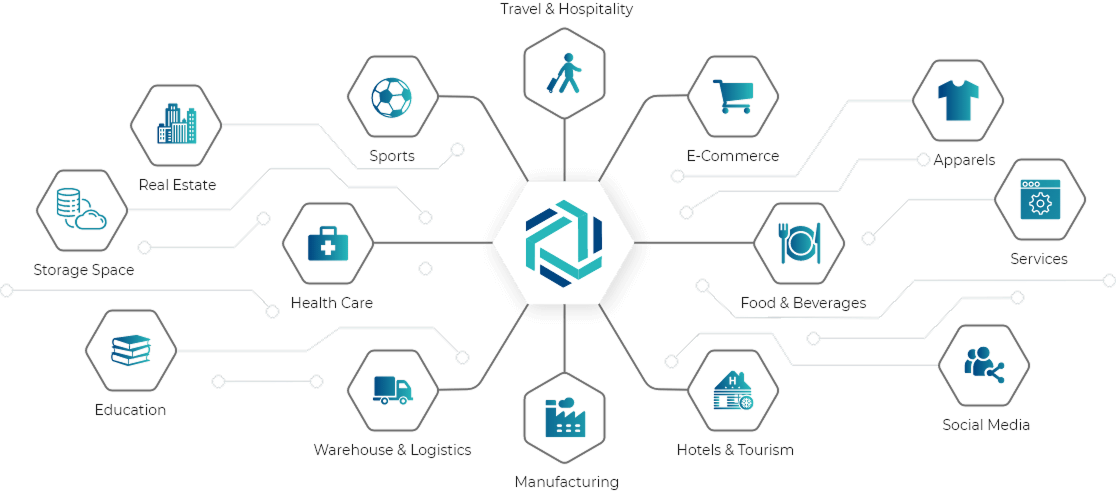
Industries We Serve
Need a Specialist Instead of a General Full Stack Developer?
Not every project needs a full stack resource.
For applications requiring deeper expertise in one technology, consider hiring a specialist.
Need an SEO-heavy React framework specialist?
Hire Next.js Developers
Need dedicated frontend expertise?
Hire React.js Developers
Need JavaScript backend expertise?
Hire Node.js Developers
Need Python backend expertise?
Hire Django Developers
Need broader web development resources?
Hire Web Developers
This distinction helps you choose the right level of breadth and specialization for the work rather than hiring a “full stack” profile simply because it sounds more flexible.
Frequently Asked Questions
You can hire developers working across combinations such as React + Node.js, Next.js + Node.js, React + Django, Angular + Node.js, Vue + Laravel and similar modern application stacks.
Our developers can work across frontend interfaces, backend APIs, databases, integrations and cloud deployment according to their individual experience.
Our proposed engagement options start from $22 per hour for part-time development and approximately $3,200 per month for a dedicated full-time developer.
Fixed-price projects can start from approximately $8,000, depending on the agreed scope.
Actual rates can change according to seniority, technology, timezone requirements and project complexity.
Yes. A full-time dedicated engagement can provide approximately 160 development hours per month.
The developer works on your project and communicates directly with your team while Kanhasoft manages employment and resource administration.
For commonly requested technology combinations, we aim to shortlist suitable developers quickly and can often begin onboarding within approximately 48 hours after requirements and candidate selection are finalized.
Availability still depends on the specific stack and seniority required.
Yes.
You can review shortlisted profiles, conduct direct technical interviews and request a practical assessment before selecting a developer.
The final selection remains with you.
MERN uses MongoDB, Express, React and Node.js.
MEAN replaces React with Angular.
PERN uses PostgreSQL instead of MongoDB while retaining Express, React and Node.js.
The best option depends primarily on your existing architecture, team skills and data requirements rather than which acronym is currently more popular.
For an MVP, smaller SaaS product or standard business application, an experienced full stack developer may efficiently own complete features.
For large applications with complex UI, high-scale backend workloads or specialized infrastructure, separate frontend and backend specialists may provide better technical depth.
Many growing products eventually use a combination of both.
Yes.
You can build a team containing several full stack developers and add QA, UI/UX, DevOps, AI or specialist frontend/backend resources when required.
The team structure can evolve as the product grows.
Yes.
Kanhasoft supports remote development engagements with clients across the USA, UK, Europe and other international markets.
Working-hour overlap is planned during onboarding based on the project’s communication requirements.
Yes.
Where relevant to the developer’s profile and project, our teams can integrate OpenAI, Gemini, Claude, Hugging Face and other AI services into web applications.
Typical use cases include AI assistants, knowledge bases, document processing, RAG, recommendations, analytics and workflow automation.
IP ownership and source-code transfer are defined contractually for the engagement.
For paid client work, the agreed project code and deliverables are transferred according to the signed contract and project terms.
Repositories can also be maintained within the client’s GitHub or GitLab organization.
Yes.
If there is a genuine skill, performance or collaboration mismatch, Kanhasoft can arrange a replacement based on the engagement terms.
Knowledge-transfer planning is used to reduce disruption when changing resources.
Full stack developers are particularly useful for SaaS applications, MVPs, CRM platforms, ERP systems, dashboards, internal business software, marketplaces, portals and applications where developers regularly need to work across both frontend and backend layers.
Talk To Us
About Your Project