
Any “top 10” list in software is, if we are being honest, a little dangerous.
Not dangerous in an exciting way. More in the “this depends heavily on your product, budget, stage, and tolerance for nonsense” way. One company may be excellent for a funded SaaS build. Another may be better for enterprise modernization. A third may shine at product engineering but be the wrong fit for a lean MVP with shifting scope. So the useful question is not really, “Who is the absolute best?” It is, “Which India-based companies are consistently visible, credible, and worth shortlisting for product work right now?” India remains one of the world’s deepest software talent markets, with the IT & BPM industry projected to reach about US$350 billion in 2026, which is precisely why businesses worldwide keep looking there.
At Kanhasoft, we have seen this from both sides of the table. Buyers usually begin with a simple wish: find a reliable software product partner in India. Then reality arrives with its usual accessories: platform complexity, uncertain roadmaps, product-market-fit questions, integration concerns, user experience expectations, time-zone overlap, security review, and the mild but persistent fear of choosing a vendor that sounds sharp in the proposal and blurry everywhere else. That is why this article is not a chest-thumping “ranking” in the mythical sense. It is a practical shortlist of India-based firms that are currently visible across major public directories and/or have clear public positioning around product engineering, custom software, SaaS, or digital product delivery.
This article is especially useful for:
- Founders are comparing India-based product development partners
- Product owners planning a new SaaS, web app, or platform build
- U.S., UK, Israel, Switzerland, and UAE businesses evaluating offshore or hybrid teams
- Companies are replacing fragmented vendor shortlists with a more structured one
- Buyers who want a shortlist and a filtering method, not just a loud headline
Quick Answer: Which software product companies in India are commonly shortlisted?
Based on current public visibility in sources like Clutch and GoodFirms, and their own public positioning around product engineering or custom software, companies often seen on shortlists include Simform, Fingent, Appinventiv, TatvaSoft, Capital Numbers, Dotsquares, Kellton, Radixweb, Net Solutions, and Kanhasoft. This is not a definitive league table; it is a practical shortlist built from current directory visibility and public company positioning.
Before the List: What Actually Makes a Product Company Worth Shortlisting?
A product development company is not just a team that can code. It should be able to think in terms of product lifecycle, user flows, iteration, scale, integrations, release discipline, and roadmap reality. That sounds obvious until you meet enough vendors who can discuss frameworks with confidence but become strangely philosophical the moment you ask how they handle changing priorities, product metrics, or a messy v1-to-v2 evolution. The strongest firms usually make complexity feel manageable, not magical. As usual, boring in the right places wins.
1. Simform
Simform is one of the more visible India-based names in current Clutch rankings, and its own site positions it squarely around digital product engineering, cloud, data, AI/ML, and co-engineering for scalable platforms. That makes it a natural shortlist candidate for companies seeking deeper engineering capacity and product-centric delivery, rather than just one-off web builds.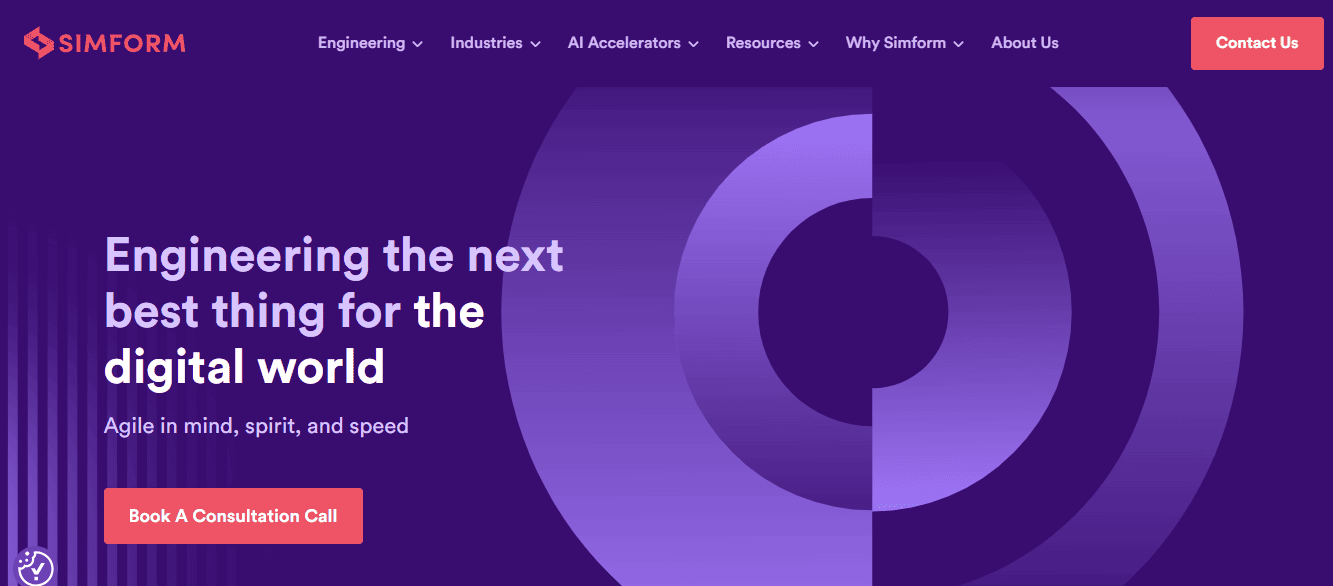
2. Fingent
Fingent remains a frequently surfaced name for enterprise and custom product work, and its public positioning emphasizes digital transformation, enterprise software, and mission-critical systems, with over 20 years of experience and a global delivery presence. That tends to make it relevant for buyers who care about operational depth and longer-horizon software programs rather than lightweight MVP-only vendors.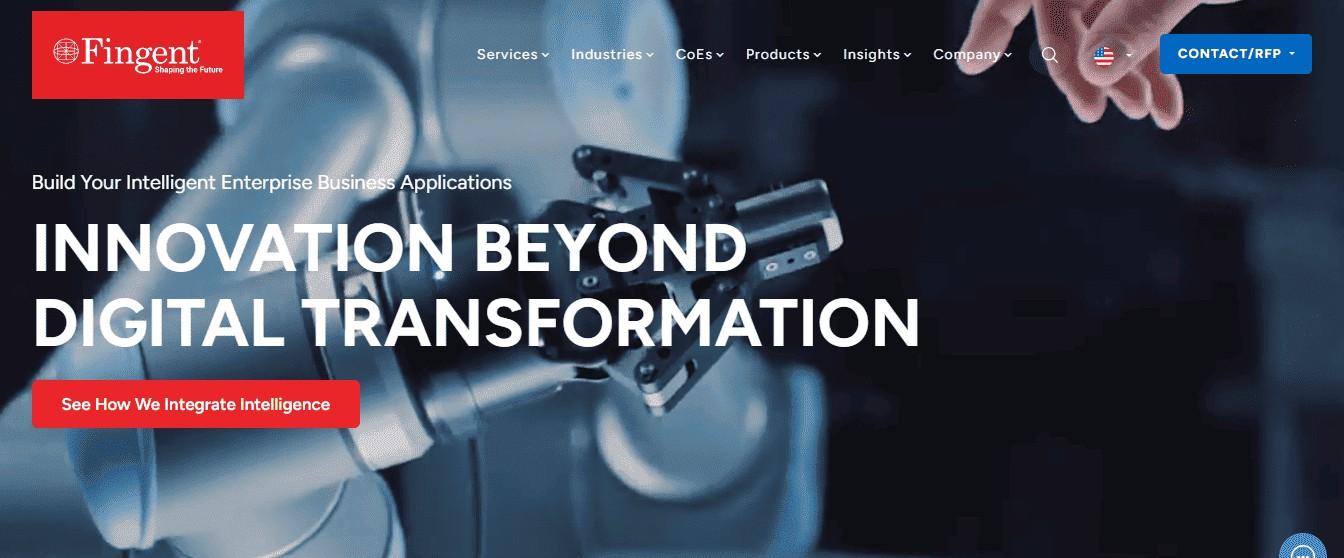
3. Appinventiv
Appinventiv consistently appears in public shortlists and markets itself as a digital product engineering and consulting company, offering services in software development, ERP systems, SaaS, and industry-specific platforms. It is one of the more visible options for businesses that want a product-oriented vendor with broad technology coverage and a strong enterprise/digital-transformation pitch.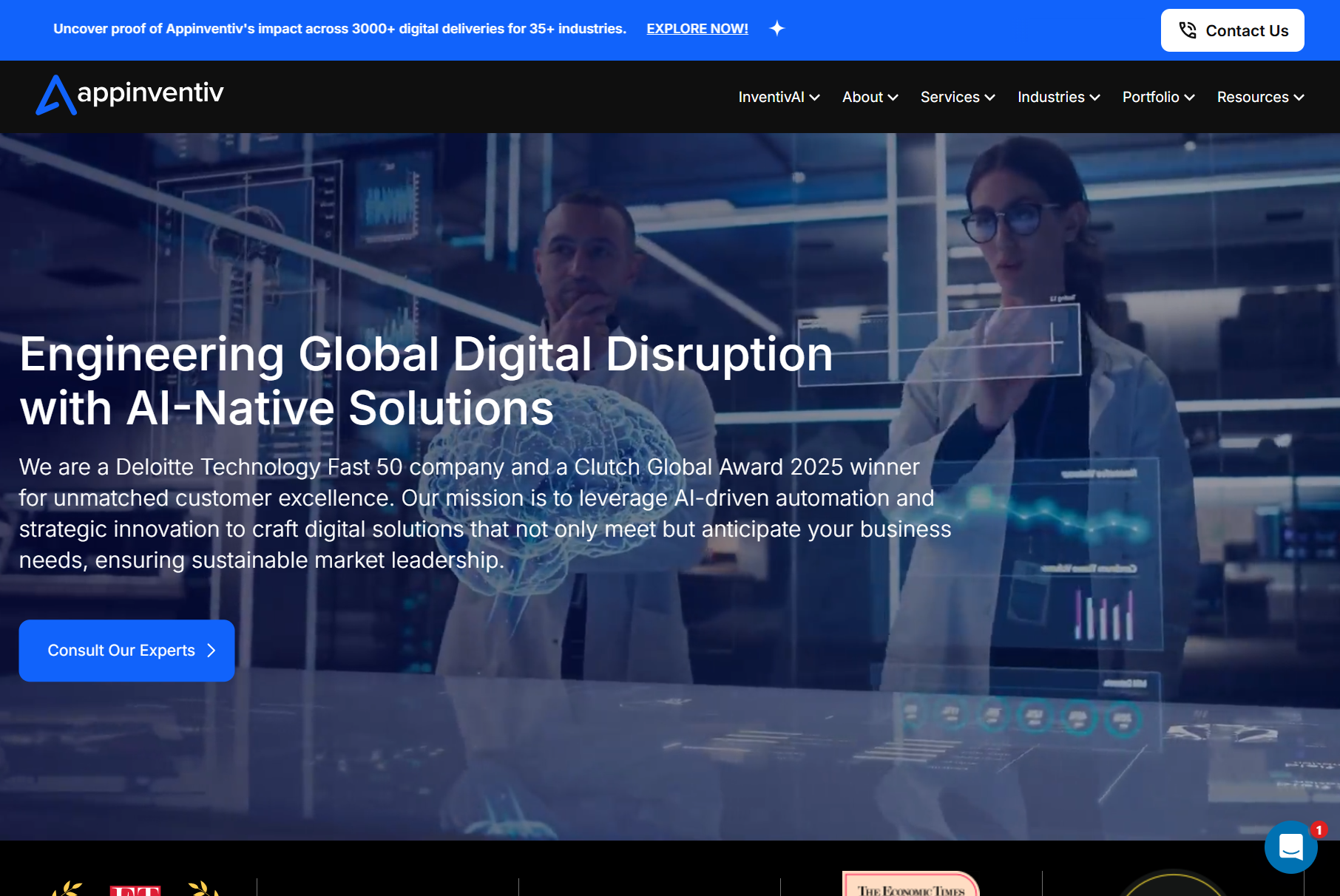
4. FATbit Technology
With over 20 years of market leadership, FATbit Technologies specializes in software product development and has helped over 5,000 businesses scale with their web and mobile solutions. The company’s expertise spans ERP systems, self-hosted platforms, responsive UI/UX design, prototyping, security-compliant development, and rigorous testing. Additionally, it delivers client-centric solutions backed by an experienced team, committed to offering transparent collaboration, resource-efficient execution, and reliable post-launch support.
5. Capital Numbers
Capital Numbers is visible in the current Clutch rankings and describes itself as a software development company spanning custom software, AI/ML, cloud engineering, eCommerce, and UI/UX. For buyers who want breadth plus a strong service lineup around digital product delivery, it is one of the names that keeps appearing on current public shortlists.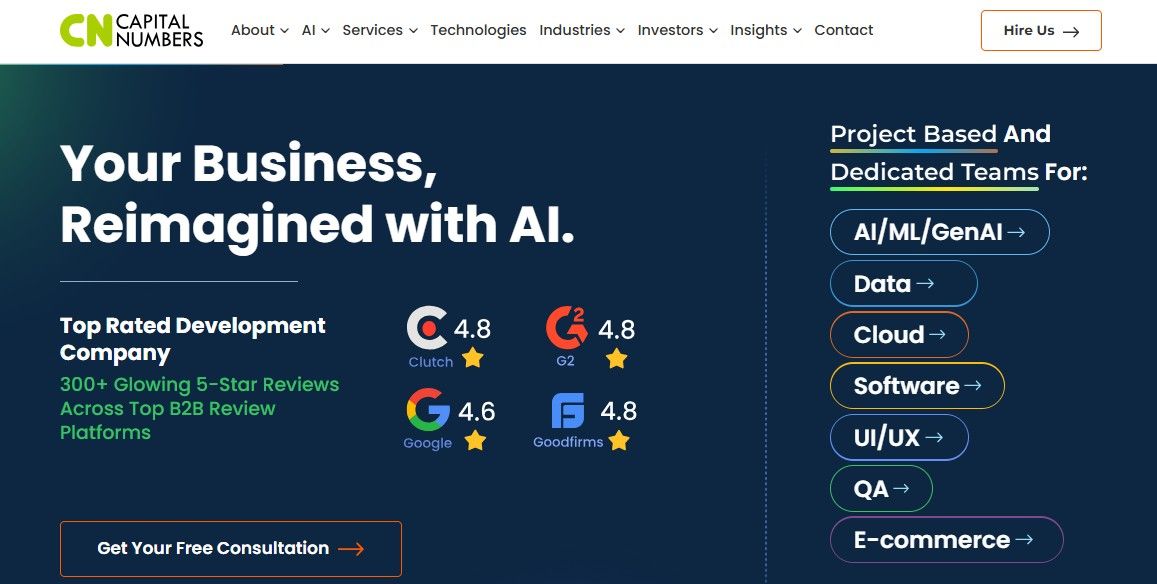
6. Dotsquares
Dotsquares shows up in current Clutch visibility and publicly emphasizes software, AI, SaaS, MVP, consulting, and digital transformation, with a global footprint and long operating history. That positioning often appeals to startups and mid-market buyers who want a partner that can speak both product and delivery rather than only custom development in the narrow sense.
7. Kellton
Kellton is a more enterprise-leaning option on many buyers’ radars. Its public positioning emphasizes AI-driven technology consulting, product engineering, digital transformation, and Fortune 500-facing work. That usually makes it more relevant for larger or more complex initiatives where product development overlaps with enterprise architecture, cloud, or transformation programs.
8. Radixweb
Radixweb is another India-based company that appears prominently in current shortlists and presents itself as a custom software engineering company focused on scalable, secure, resilient software platforms, modernization, and long-term product evolution. Its public messaging leans heavily into engineering maturity, which tends to resonate with buyers who are tired of vendor theater and would prefer delivery discipline instead. A radical preference, perhaps, but understandable.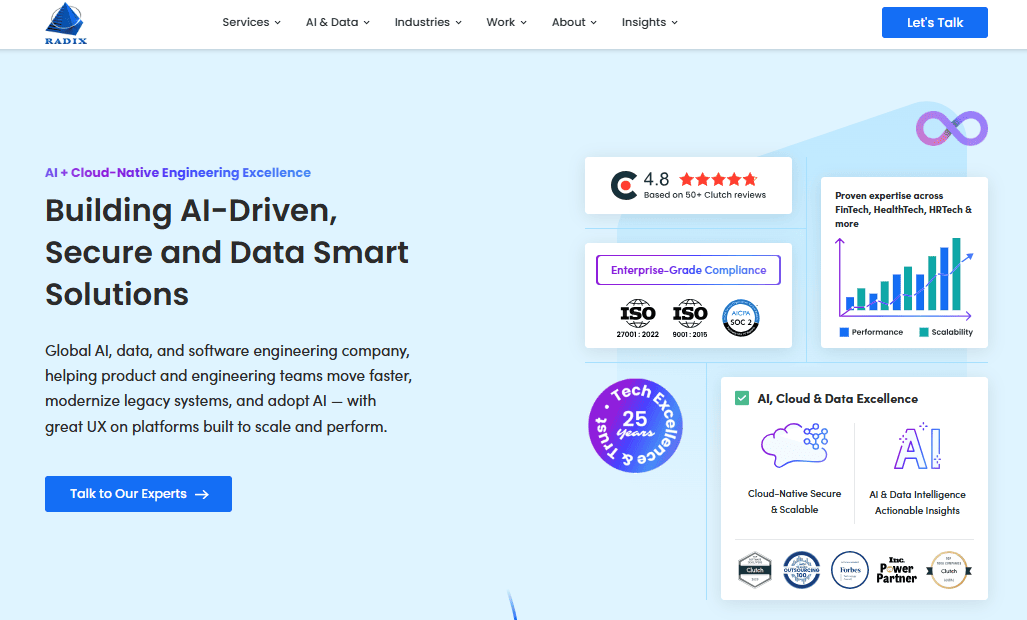
9. Net Solutions
Net Solutions has long been visible in product and software shortlists and publicly describes itself as a software, web apps, digital product work, and digital experience. Its own client-facing messaging leans into product development and long-term collaboration, which often matters for businesses looking beyond a one-release engagement.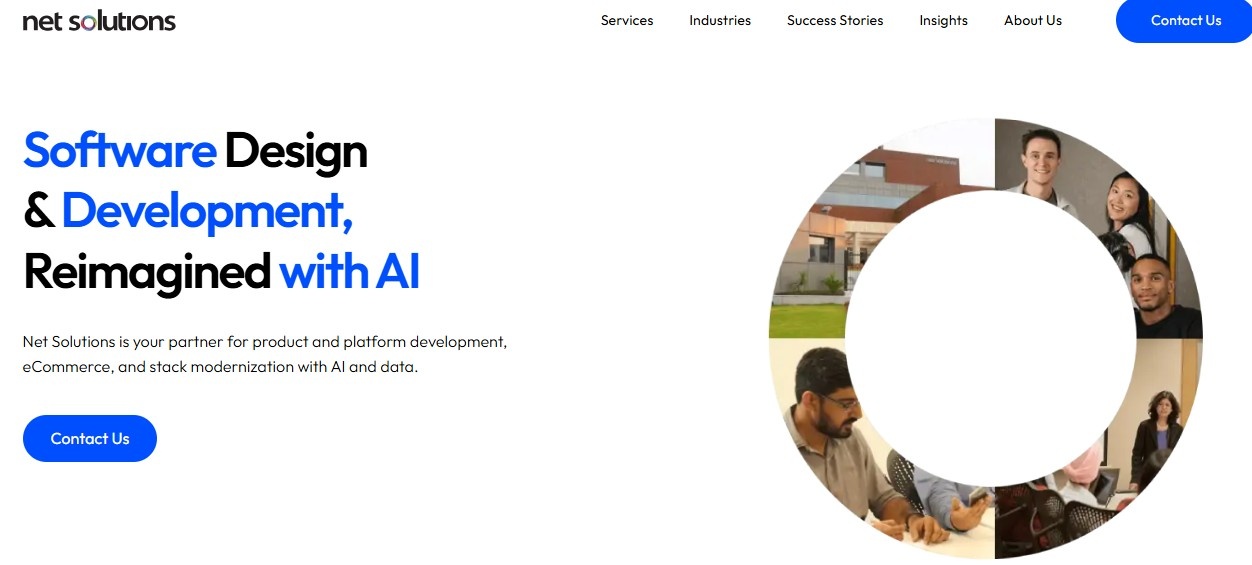
10. Kanhasoft
Kanhasoft is publicly positioned around AI-powered custom software, ERP, CRM, web, mobile app, and product development, and it already publishes content specifically around product development and software-product capabilities. For buyers looking at workflow-heavy systems, internal platforms, SaaS, ERP/CRM-adjacent product builds, or a more custom-business-software angle, it is a reasonable shortlist candidate—particularly where product development overlaps with operational systems rather than consumer-only apps.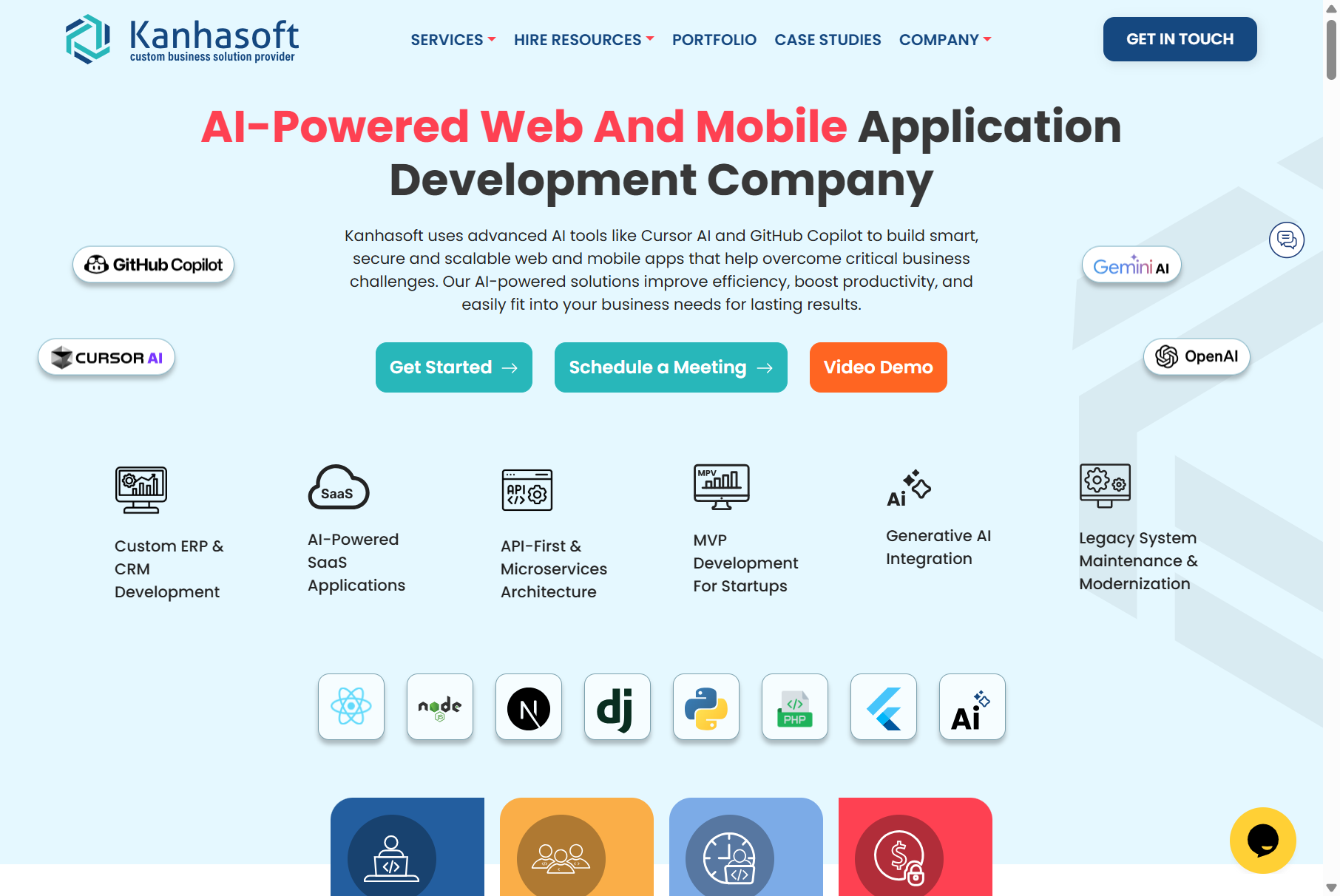
A More Useful Way to Read This List
This is not a beauty contest. It is a shortlist.
A company can be highly visible and still be wrong for your use case. Another can be less famous and be perfect for your product stage. Directory presence is useful because it shows current market visibility and review momentum, but it is not the same thing as product fit. Clutch’s current India developer rankings and GoodFirms’ India software-development listings are both useful starting points, not final answers. Some rankings can also include sponsored or paid visibility elements, which means buyers should still do real due diligence after the first shortlist.
How to Choose the Right One for Your Product
The real work begins after the shortlist. And this is where many companies, after all the diligence and comparison, still manage to choose based on the software equivalent of a nice handshake and a prettier slide deck.
A better evaluation process usually looks like this:
Check product relevance, not just general software capability
A team that excels at enterprise modernization may not be the best fit for a fast-moving SaaS MVP. A mobile-first agency may not be ideal for a workflow-heavy B2B platform. Look for relevant case depth, not just volume.
Ask how they handle product ambiguity
Real product work changes. Scope evolves. Assumptions break. User behavior refuses to cooperate. The right partner should not act shocked when reality behaves like reality. Look for calm discovery, structured iteration, and willingness to clarify before building.
Review engineering depth and product thinking separately
A team may be technically strong but weak on product prioritization. Another may speak product language well but rely too much on surface-level delivery. You want both—enough engineering maturity to build well, and enough product thinking to build the right thing.
Test communication before you test code
If communication is vague, overagreeable, or strangely evasive before the contract, do not expect a sudden bloom of clarity after kickoff. In our experience, pre-sales communication is often a preview trailer for delivery. Not always, but often enough to respect the pattern.
Ask about post-launch reality
Product development does not stop at release one. Ask how they handle support, iteration, roadmap evolution, technical debt, analytics-driven improvement, and product hardening after launch. The answer here often separates “builders” from “partners.”
Final Thoughts
The useful thing about a “top 10” list is not the number. It is the shortlist discipline.
It gives buyers somewhere reasonable to start. reduces the chaos a little. replaces infinite browsing with a more manageable first pass. But the real decision still depends on fit—fit with your product stage, your workflow complexity, your communication style, your roadmap uncertainty, and your appetite for drama.
Because in product development, the best partner is rarely the one that looks universally “top.” It is the one that makes your product journey clearer, steadier, and less wasteful.
That, as usual, is where the value tends to be.
And, as usual, boring in the right places wins.