

Introduction
With more than 92.6% of people accessing the internet through their mobile phones, it’s no surprise that web and mobile apps have become the beating heart of small business digital presence. Naturally, this shift didn’t happen overnight. The rise of high-speed connectivity, evolving user habits, and the global push toward digital convenience all played their part. And while we’ve seen trends come and go (remember when QR codes briefly disappeared before returning like a plot twist?), one thing remains constant—customers expect easy, fast, and mobile-first experiences.
As small businesses juggle customer expectations, competition, and tighter timelines, digital tools for small business success are no longer optional. They are the new baseline. And here’s the twist—businesses that adopt these tools early often outperform those who hesitate. We’ve seen it repeatedly with our clients: once they embrace web and mobile apps, everything from customer engagement to operational flow begins to shift toward measurable growth.
In this blog, we explore 10 ways web and mobile apps boost small business growth and why modern companies—whether service-driven or product-based—can’t afford to ignore this digital advantage. So let’s dive into the strategies shaping smarter, faster, and more profitable small business ecosystems.
Web and Mobile Apps as a Growth Engine
When we talk about web and mobile apps being a growth engine, we don’t say it lightly. These apps have evolved into full-fledged digital storefronts, offering small businesses the ability to reach customers anytime, anywhere. What once required physical presence, multiple staff members, and a mountain of paperwork now fits neatly into a screen that sits in everyone’s pocket. Of course, building this kind of ecosystem requires thoughtful design, smart features, and a deep understanding of what customers expect from modern brands.
We’ve witnessed it first-hand. A small neighborhood bakery came to us wanting more foot traffic. Instead of running old-school flyers, we built a simple ordering app with push notifications and daily specials. Within weeks, their online orders skyrocketed—not because their pastries changed, but because their app-based business strategy made buying easier than ever. This is exactly how small business digital tools create new pathways for growth.
The combination of convenience, automation, and around-the-clock availability makes web and mobile apps indispensable for SMEs across the USA, UK, Israel, Switzerland, and the UAE. They don’t just support business—they accelerate it. When implemented well, they become the fuel powering consistent customer engagement, higher visibility, and long-term scalability.
Web and Mobile Apps Improve Sales and ROI

Sales growth is often the first (and loudest) reason small businesses turn to web and mobile apps. And rightfully so—these digital platforms streamline purchasing, introduce automated upselling, and give businesses a direct line to customers through push notifications, personalized offers, and reward campaigns. Unlike traditional marketing channels, apps allow businesses to market in real time and track customer behavior instantly, leading to smarter decisions and higher ROI.
With features such as in-app promotions, loyalty programs, and location-based offers, businesses can nudge customers at exactly the right moment. We once worked with a small retail brand that struggled with stagnant weekend sales. Once we implemented automated weekend flash-sale notifications inside their app, conversion rates nearly doubled. That’s the power of improving customer engagement with apps—consistent, timely prompts that turn interest into action.
This isn’t just theory; it’s the practical advantage of digital presence. When customers can buy without friction, sales naturally follow. From service bookings to instant purchases, apps reduce the distance between intention and action. And for small businesses, that reduction translates into measurable improvements in revenue, efficiency, and long-term profitability.
Enhanced Customer Loyalty Through Apps
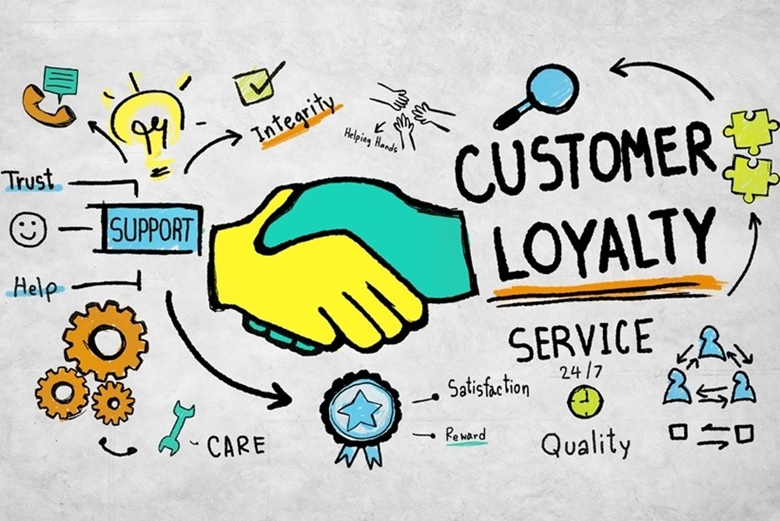 Customer loyalty isn’t built overnight, but web and mobile apps make the journey far smoother (and far more enjoyable for customers). When a user downloads your business app, you’ve essentially earned a dedicated space on their device—a constant reminder of your brand. That tiny icon becomes a digital doorway to engagement, repeat purchases, and brand trust. It’s no wonder boosting small business growth often starts with improving loyalty.
Apps allow businesses to deliver personalized experiences that traditional methods simply can’t compete with. Think loyalty rewards, saved preferences, exclusive offers, and early access alerts. These small moments of delight keep customers coming back. We’ve watched clients transform one-time buyers into repeat customers simply by adding a reward stamp card inside their mobile app—proof that thoughtful small business digital tools can turn engagement into habit.
Push notifications also play a strategic role in maintaining brand presence. Whether it’s a friendly reminder about an abandoned cart or a surprise discount, customers appreciate timely, relevant communication. And unlike email (which tends to get buried), app notifications are noticed instantly. Over time, this builds a sense of relationship—helping businesses nurture genuine loyalty and outperform competitors who rely solely on traditional channels.
User-Focused Experience and Seamless Navigation
 A major advantage of web and mobile apps is their ability to deliver a smooth, intuitive, and user-friendly journey. Small businesses often underestimate how critical navigation is—until customers start bouncing due to cluttered pages or complex menus. A well-designed app solves that instantly. It’s built for clarity, speed, and minimal effort, making every interaction rewarding.
User-friendly business apps don’t just keep customers engaged; they increase conversions. Whether customers are booking appointments, browsing menus, or making purchases, the fewer steps involved, the higher the likelihood they’ll complete the process. We once redesigned an app for a fitness studio that struggled with user drop-offs. The reason? Their booking flow required seven taps. We streamlined it down to three. Not surprisingly, bookings increased noticeably in the first month.
This is where custom app development for business shines. Businesses can create a seamless environment tailored to their unique needs and audience habits. Unlike generic platforms, custom apps allow for branded visuals, personalized dashboards, and features that respond to real user behavior. When customers enjoy the experience, they stay longer—and come back more often. And as every small business knows, loyalty multiplied by convenience equals long-term growth.
Marketing Communication Reinvented
 Marketing has evolved from static flyers and generic emails into dynamic, real-time digital interactions—and web and mobile apps sit at the center of this evolution. They offer small businesses a powerful communication channel that blends convenience, personalization, and immediacy. With in-app messaging, push notifications, banners, and embedded content, brands can reach customers at the perfect moment—without interrupting their natural flow.
What makes app-based communication so effective is its precision. Instead of broadcasting one-size-fits-all promotions, businesses can tailor messages based on user interests, location, purchase history, or behavior. This aligns perfectly with app-based business strategies and the increasing demand for hyper-personalized marketing. Customers appreciate when brands “get them,” and apps make this level of understanding effortless.
One of our favorite examples is a skincare business that used in-app notifications to send personalized product tips based on customer purchases. Not only did engagement skyrocket, but cross-sell conversions also climbed steadily. It proved that modern digital tools for small business success don’t just broadcast—they build relationships.
In a world overflowing with content, apps cut through the noise with timely, actionable communication that keeps customers interested, informed, and connected.
Boosting Brand Visibility & On-Demand Service Delivery
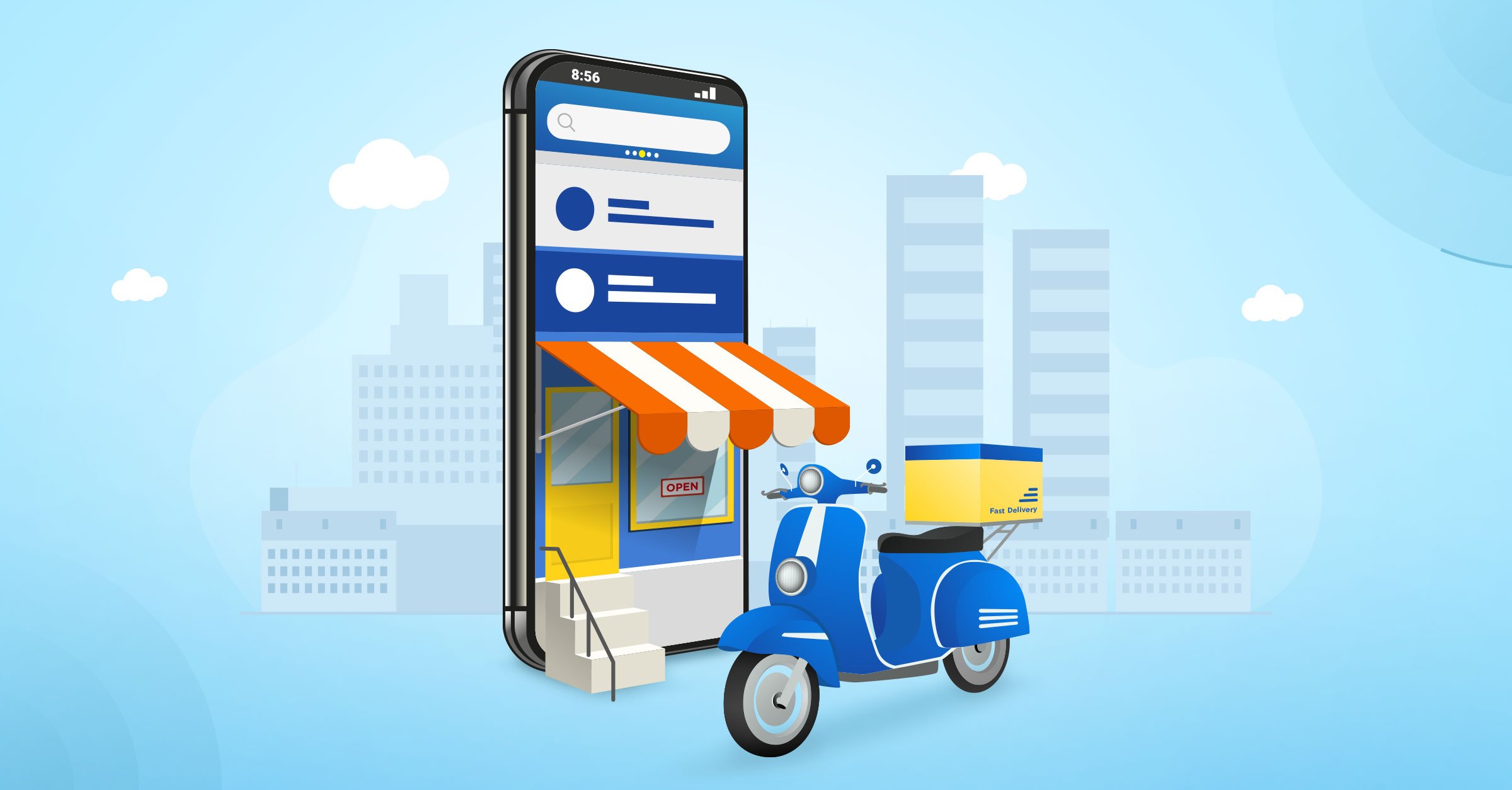 Brand visibility has become one of the most valuable assets a small business can own—and web and mobile apps make that visibility stronger, smarter, and more consistent. When your app sits on a customer’s home screen, it becomes a daily reminder of your presence (almost like a friendly neighbor who pops in to say hello, but without the awkward small talk). This constant visibility can significantly boost small business growth by keeping your brand top-of-mind.
Mobile apps also create an ideal environment for on-demand services. Whether customers need food delivery, appointment scheduling, product ordering, or quick support, the app becomes the bridge connecting need with fulfillment. During the pandemic, we watched countless SMEs stay afloat—some even thrive—simply because they shifted their services into an app. On-demand expectations are now the norm, and apps deliver exactly that.
What gives small businesses a competitive advantage is how easily they can update customers. Promotions, holiday sales, flash offers, and new product launches can be communicated instantly through push notifications or in-app banners. This is the kind of agility that traditional marketing channels can’t match.
By incorporating mobile app development for small business, owners not only build credibility but also secure consistent engagement—ensuring customers stay connected long after their first interaction.
Why Your Business Needs a Custom Web and mobile App
While mobile apps often steal the spotlight, custom web apps are just as essential for business growth. They enhance operations, centralize workflows, and give businesses a scalable digital foundation. A well-built web app can handle everything from resource management and customer portals to online bookings and internal dashboards. This is why many SMEs choose web app development services to strengthen their digital presence and improve efficiency.
Unlike off-the-shelf software, custom web apps align precisely with business workflows. That means fewer unnecessary features, more relevant capabilities, and a far smoother experience for both employees and customers. For growing businesses across the USA, UK, Israel, Switzerland, and the UAE, this adaptability becomes a major competitive advantage.
We’ve seen web apps transform operations firsthand. A logistics company approached us with spreadsheets scattered across multiple departments (and let’s be honest—half of them were outdated). After developing a custom web app, they gained real-time visibility, automated reporting, and eliminated 80% of manual errors. This is the power of small business digital transformation services—creating systems that work smarter, not harder.
In a world where speed and precision matter, a custom web app becomes the backbone of modern business operations.
Efficiency Through Streamlined Operations
 Efficiency is the currency of modern business. When operations run smoothly, everything improves—speed, accuracy, customer satisfaction, and ultimately revenue. Web and mobile apps bring an exceptional advantage by automating repetitive tasks, centralizing data, and giving teams access to real-time insights. This is especially vital for SMEs that often operate with smaller teams and tighter margins.
For example, a custom web app can automate inventory tracking, manage bookings, track customer behavior, send invoices, generate reports, and streamline communication. These are the kinds of business productivity tools that eliminate hours of manual effort each week. And unlike traditional systems, they integrate seamlessly with other platforms, making the workflow cleaner and more efficient.
We once helped a consulting agency automate their entire client onboarding process through a web app. What used to take two hours and multiple emails turned into a five-minute digital flow—complete with automated document uploads, signatures, and confirmations. The team instantly had more time to focus on strategy rather than paperwork.
This is how digital tools for small business success create meaningful improvements. By reducing human error, improving clarity, and accelerating day-to-day tasks, custom apps help small businesses operate with the efficiency of much larger enterprises.
24×7 Accessibility & Cloud Advantage
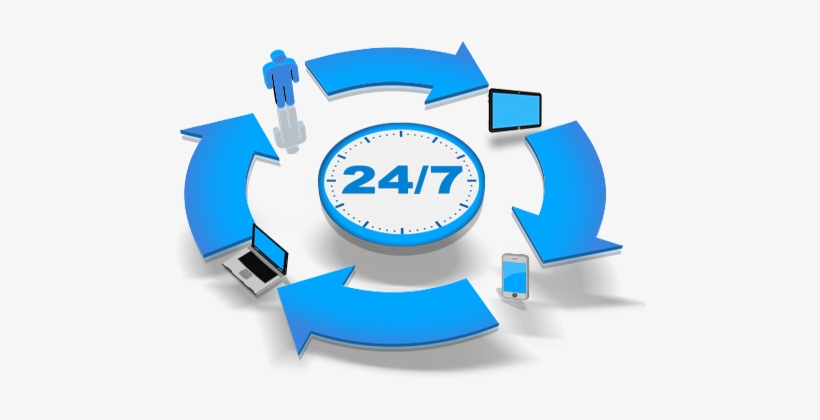 One of the greatest strengths of web and mobile apps lies in their ability to keep your business accessible anytime, anywhere. Customers today expect on-demand solutions—whether it’s booking a service at midnight or checking order status during lunch breaks. With cloud-based business solutions, you’re not just offering convenience; you’re offering reliability. And in a competitive market, reliability is one of the strongest differentiators.
Web apps, especially, shine in accessibility. They work across devices, browsers, and operating systems without requiring installations or manual updates. Clients from the USA to Israel love this flexibility, because it means fewer technical barriers and more productivity from day one. App updates can be rolled out instantly and universally, ensuring users always access the newest features and the most secure version—no delays, no IT headaches.
We’ve seen businesses transform their customer support experience simply by integrating a cloud-powered dashboard. Suddenly, their team could respond faster, track conversations in real time, and deliver support around the clock. That’s not just digital convenience—that’s operational strength. For SMEs striving to boost small business growth, providing uninterrupted access is no longer optional; it’s essential.
High-Level Data Security
 Security concerns can make or break a business’s digital strategy—and thankfully, web and mobile apps bring robust solutions to the table. When small businesses rely on desktop systems or scattered files, they expose themselves to risks like hardware failure, loss, theft, or simply outdated security protocols. But apps built with encrypted environments, login authentication, and cloud backups change this narrative completely.
With cloud-driven architecture, businesses can recover data instantly, even if a device is damaged or stolen. We’ve had clients panic after losing laptops, only to breathe a sigh of relief once they realized their entire system was safely stored in the cloud. As long as they had their credentials, they were back to business in minutes—not days.
High-level encryption, secure access controls, and role-based permissions ensure that data stays protected at every stage. This aligns seamlessly with modern small business digital presence needs, where trust is a currency customers value deeply. When businesses demonstrate strong security standards, customer confidence grows—and so does retention.
In an era where cyber threats evolve daily, adopting secure web and mobile apps is one of the smartest steps any business can take.
Customization and Scalability
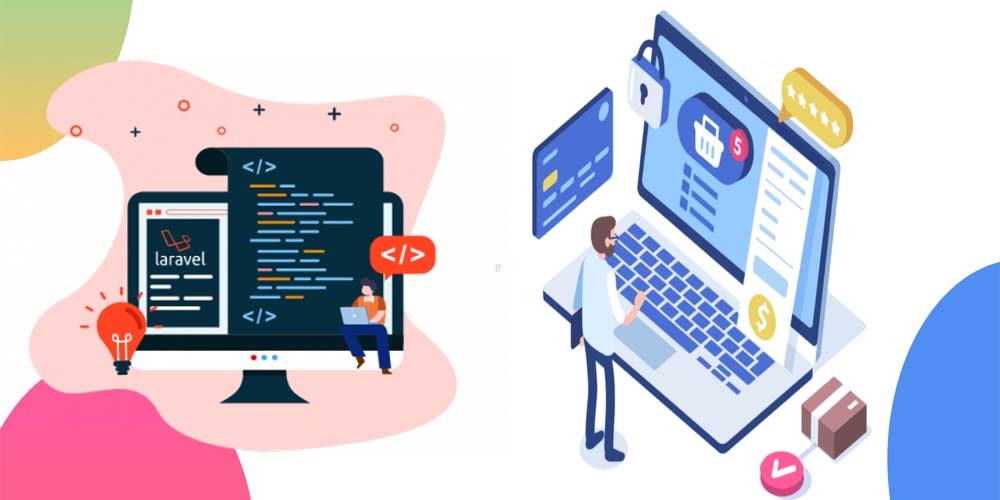 No two businesses operate the same way, which is exactly why custom business app development is so powerful. Instead of forcing your processes into rigid, off-the-shelf systems, custom web and mobile apps adapt to your unique workflow, branding, customer needs, and long-term vision. For SMEs looking to grow steadily, this flexibility becomes a real competitive advantage.
Custom apps can integrate tailored features like multi-level user access, advanced reporting dashboards, automated workflows, or industry-specific tools—helping businesses operate more efficiently and more confidently. As your business expands, your app expands with it. New features, integrations, or modules can be added without the limitations of generic software.
We recently worked with a small medical practice that needed a secure scheduling module, patient portal, and automated reminders. No pre-built system offered all three in the way they needed, so we built it from scratch. Not only did the system streamline their operations, but scalability allowed them to add teleconsultation features later—which became a huge success.
This is why web and mobile apps aren’t just tools; they’re long-term digital investments that grow alongside your brand. Scalability ensures your business is never boxed in—and always ready for what’s next.
Easy Installation & Low Maintenance
 One of the underrated advantages of web and mobile apps is how seamlessly they integrate into a business ecosystem without creating technical friction. Traditional desktop software often demands manual installations, hardware compatibility checks, and time-consuming updates. In contrast, web apps run directly through browsers, meaning businesses get instant access without wrestling with installation files or complicated setup steps. This becomes particularly beneficial for SMEs with limited IT resources or teams spread across multiple locations.
Maintenance is equally effortless. Updates and patches can be deployed instantly from the backend, ensuring every user—no matter the country, device, or time zone—is always using the most secure and updated version. For businesses in regions like the USA, UK, Israel, Switzerland, and the UAE, this uniform accessibility is invaluable. It eliminates inconsistencies, reduces downtime, and dramatically lowers tech-related overhead.
We’ve worked with companies that previously spent hours each week coordinating software updates across different devices. Switching to a custom web app saved them time, tech costs, and a whole lot of headaches. With cloud-based business solutions, everything becomes lighter, faster, and more manageable.
For small businesses aiming to boost growth through digital tools, choosing web apps means choosing simplicity, reliability, and long-term operational ease.
Choosing the Right Mobile App Development Services
Selecting the right partner for mobile app development for small business can significantly influence both immediate results and long-term digital success. Not all development services are created equal—some providers focus only on aesthetics, while others specialize in performance, scalability, and user experience. Ideally, you want a partner who understands small business needs, industry trends, app-based strategies, and future scalability.
A good mobile app development company will help you identify features that align with your goals, whether that’s customer loyalty programs, online ordering, appointment scheduling, internal tools, or real-time customer engagement systems. Beyond design, they ensure the app is light, fast, secure, and built with the latest frameworks—because customer expectations evolve rapidly.
We’ve seen small businesses thrive after choosing development teams who prioritize strategy along with execution. Whether it’s integrating push notifications, creating user-friendly dashboards, or offering affordable mobile app solutions, the right partner becomes a catalyst for digital transformation.
This choice is especially important for SMEs in the USA, UK, Israel, Switzerland, and the UAE, where competition is high and customer expectations are even higher. A well-built mobile app can elevate your brand and significantly boost small business growth.
Choosing the Right Custom Web App Development Partner
Just like mobile apps, selecting the right team for web app development services can determine the success of your digital transformation. A strong development partner will focus not only on building functional platforms but also on aligning the technology with your business’s growth path. This means crafting solutions that enhance workflow efficiency, enrich customer interactions, and scale seamlessly with evolving needs.
Custom web apps offer enormous flexibility—from internal management dashboards and booking systems to CRM portals and customer-facing tools. Because of this versatility, you need a team that understands your operational challenges and can translate them into intuitive digital workflows. The best development companies adopt a consultative approach, helping businesses avoid unnecessary features while maximizing long-term value.
We’ve helped SMEs replace outdated tools with advanced web apps that automated tasks, improved data accuracy, and centralized communication. Clients frequently tell us it feels like they’ve hired an entire new team—minus the salaries.
For businesses in globally competitive regions, having the right digital partner ensures your small business digital presence is not only functional but also strategic and scalable. The right custom web app partner becomes a long-term ally in both efficiency and innovation.
Practical Use Cases for Small Businesses
When small businesses explore web and mobile apps, one of the first questions they ask is, “But will this actually work for my industry?” The short answer—absolutely. These apps are versatile enough to support nearly every business model, from retail and hospitality to consulting, healthcare, and fitness. Their adaptability is exactly what makes them powerful small business digital tools.
Take retail, for example. Apps can manage inventory, enable online ordering, provide personalized recommendations, and push exclusive deals straight to shoppers’ smartphones. For service-based businesses, apps streamline scheduling, automate reminders, and simplify customer communication. Restaurants can offer online reservations, delivery tracking, and loyalty programs—all from a single app.
In Israel, we saw a boutique salon triple its appointment bookings after integrating a custom scheduling app. Meanwhile, a Swiss fitness studio increased membership renewals by offering app-based class reservations and progress tracking. These real-world examples illustrate how digital tools for small business success blend seamlessly into daily operations.
Across the USA, UK, UAE, and beyond, small businesses are using apps not only to improve convenience but also to modernize their brand and scale at a pace that wasn’t possible before. Apps aren’t just an accessory—they’re a strategic asset.
Common Mistakes Small Businesses Make With Web and mobile apps
While web and mobile apps offer tremendous potential, small businesses sometimes stumble by overlooking key development and strategy principles. One common mistake is overloading the app with unnecessary features. In the rush to offer “everything at once,” businesses often create cluttered interfaces that overwhelm users instead of helping them. The best apps focus on clarity, ease, and purpose—less is more.
Another recurring mistake is ignoring user experience. Even the most powerful features lose impact when customers struggle with confusing layouts, slow load times, or inconsistent navigation. We’ve seen businesses invest heavily in design but skip usability testing, resulting in beautiful apps that customers simply don’t enjoy using.
A third misstep is failing to integrate analytics. Without behavioral insights, businesses can’t track what’s working or what needs improvement. Insights fuel better decisions—and ultimately boost small business growth. Skipping analytics is like flying blind.
Lastly, small businesses sometimes forget to market the app. Launching an app without a promotional strategy is like opening a store in the desert—technically it exists, but no one knows to visit. Smart use of push notifications, social media, in-store QR codes, and email campaigns ensures customers actually use the app.
Avoiding these traps ensures your app becomes a growth engine—not a digital burden.
Future of Web and Mobile Apps for SMEs
The future of web and mobile apps is nothing short of exciting for small businesses. With rapid advancements in AI, automation, and predictive analytics, apps are evolving beyond basic tools into intelligent digital partners. Small businesses are no longer just adopting apps—they’re leveraging them to make smarter decisions, reduce costs, and deliver personalized user experiences at a level previously reserved for large enterprises.
App-based business strategies are becoming more data-driven. Imagine apps that predict which products your customers will want next, or booking systems that automatically adjust availability based on historical demand. These innovations aren’t “future dreams”—they’re already being integrated into modern small business digital presence strategies.
Cross-platform tools, low-code development, and cloud-native frameworks are making development faster and more affordable. Meanwhile, augmented reality, chatbots, voice commerce, and hyper-personalized push notifications are shaping new customer expectations.
In markets like the USA, UK, Israel, Switzerland, and the UAE, SMEs that embrace these technologies early gain a significant competitive advantage. The next wave of growth belongs to businesses that blend convenience with intelligence.
The future is simple: businesses that integrate modern digital tools will scale—with speed, precision, and resilience.
Conclusion
As we’ve explored throughout this guide, web and mobile apps are no longer optional digital tools—they’re essential growth engines for modern small businesses. From improving operational efficiency and expanding customer reach to deepening loyalty and delivering on-demand convenience, these digital solutions reshape how businesses connect, operate, and thrive in competitive markets across the USA, UK, Israel, Switzerland, and the UAE.
What makes apps especially powerful is their ability to scale alongside your business. They evolve with customer expectations, integrate with emerging technologies, and support long-term sustainability. Whether you are offering products, services, consultations, or experiences, apps help you deliver them more efficiently and more delightfully. We’ve watched countless small businesses transform—from struggling with manual tasks to embracing automated systems that save time, boost revenue, and elevate the brand experience.
And here’s the final thought: small businesses that adopt the right digital tools today will be the ones leading their industries tomorrow. The combination of speed, personalization, and intelligence unlocks a future where even the smallest teams can operate with the sophistication of major enterprises. When web and mobile apps become part of your strategy, you’re not just adapting—you’re advancing.
FAQs
Q. How can web and mobile apps help small businesses grow?
A. Web and mobile apps streamline operations, enhance customer communication, and create faster, more convenient ways for customers to buy or book services. They help improve digital presence, boost brand recognition, and generate more revenue through features like loyalty programs, online ordering, and real-time engagement.
Q. Are mobile apps really necessary for small businesses?
A. Yes—especially in a mobile-first world. With most users accessing the internet via smartphones, mobile apps offer direct access to customers, faster engagement, and better retention. Apps also allow businesses to send push notifications, run loyalty programs, and provide on-demand services.
Q. How much does it cost to develop a business app?
A. Costs vary based on features, platform (iOS, Android, or both), design complexity, and the development company you choose. Small businesses often start with essential features and scale up over time. Many developers now offer affordable mobile app solutions and MVP models for budget-friendly launches.
Q. Which industries benefit most from web and mobile apps?
A. Almost every industry can benefit—retail, hospitality, fitness, beauty, healthcare, consulting, logistics, e-commerce, and more. Any business that interacts with customers or manages internal workflows can enhance productivity and engagement through apps.
Q. What’s the difference between a web app and a mobile app?
A. A web app runs in a browser and works on any device, while a mobile app is installed directly on smartphones via the App Store or Google Play. Web apps are great for accessibility and internal systems, while mobile apps offer deeper engagement, notifications, and smoother user experience.
Q. How long does it take to develop a custom app?
A. Depending on complexity, development can take anywhere from a few weeks to several months. Simple apps with basic features are faster to build, while feature-rich platforms require more time for design, testing, and deployment. A reliable development company will provide a clear timeline from start to finish.